BodyLift
Nutrition

Eat for the Body You're Building.

Six goal-based guides — written from two decades of coaching real adults in New York. The training builds the body. The food decides whether you get to keep it.

01

Recomposition

Lose fat, hold muscle, change what you're made of.

Patient deficit, high protein, training that earns the food.
~2,000 kcal180 LB
  • Protein40%
  • Carbs35%
  • Fat25%
Protein target
1.0 g / lb of bodyweight
Energy intake
A modest deficit — roughly 300–500 calories below maintenance. Slow enough that you keep the muscle you came in with.
Macro range
Protein 35–40%Carbs 35–40%Fat 25%

A day on this protocol

Daily 1,950 kcalProtein 182 g
  1. 7:00
    Wake
    Black coffee, 16 oz water
    5 kcal0g protein
  2. 7:30
    Breakfast
    Three whole eggs over spinach, half an avocado
    410 kcal22g protein
  3. 11:00
    Mid-morning
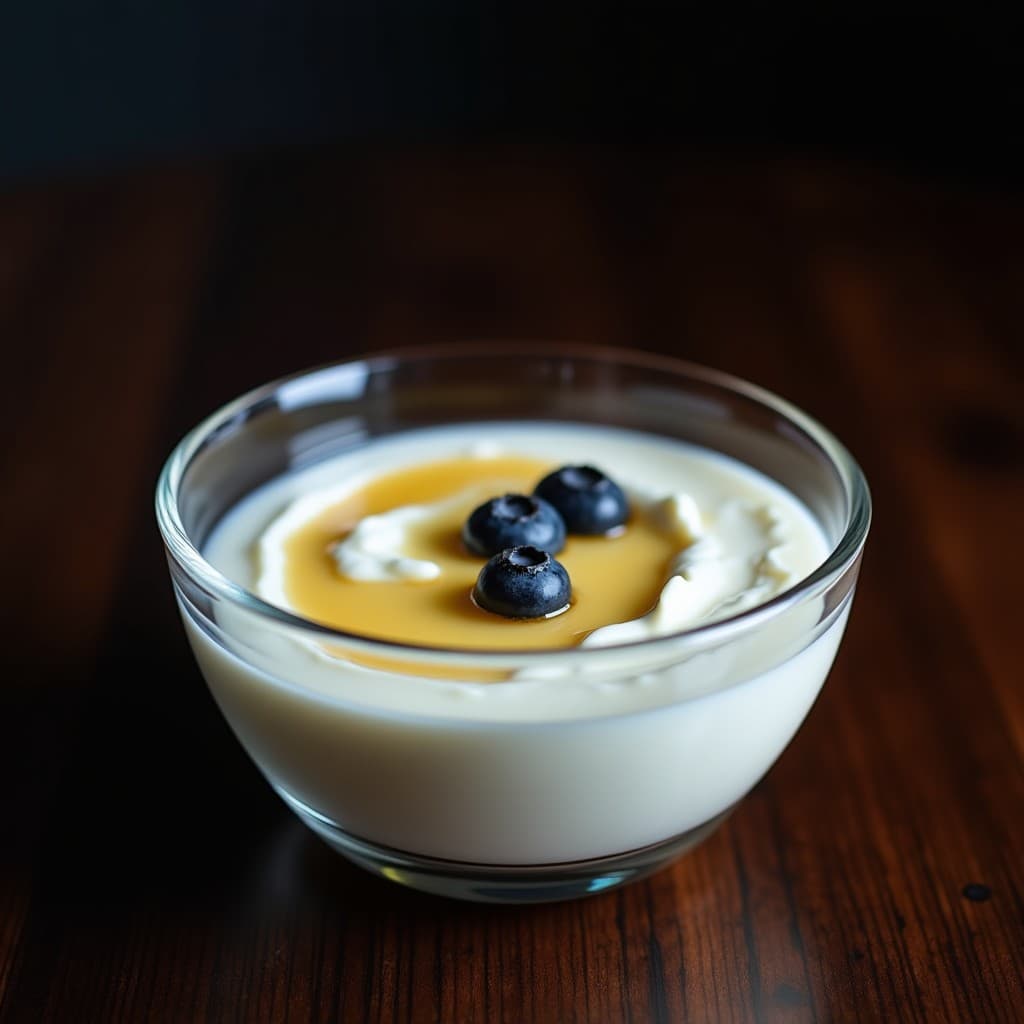
    1 cup Greek yogurt with a cup of berries
    200 kcal24g protein
  4. 13:30
    Lunch
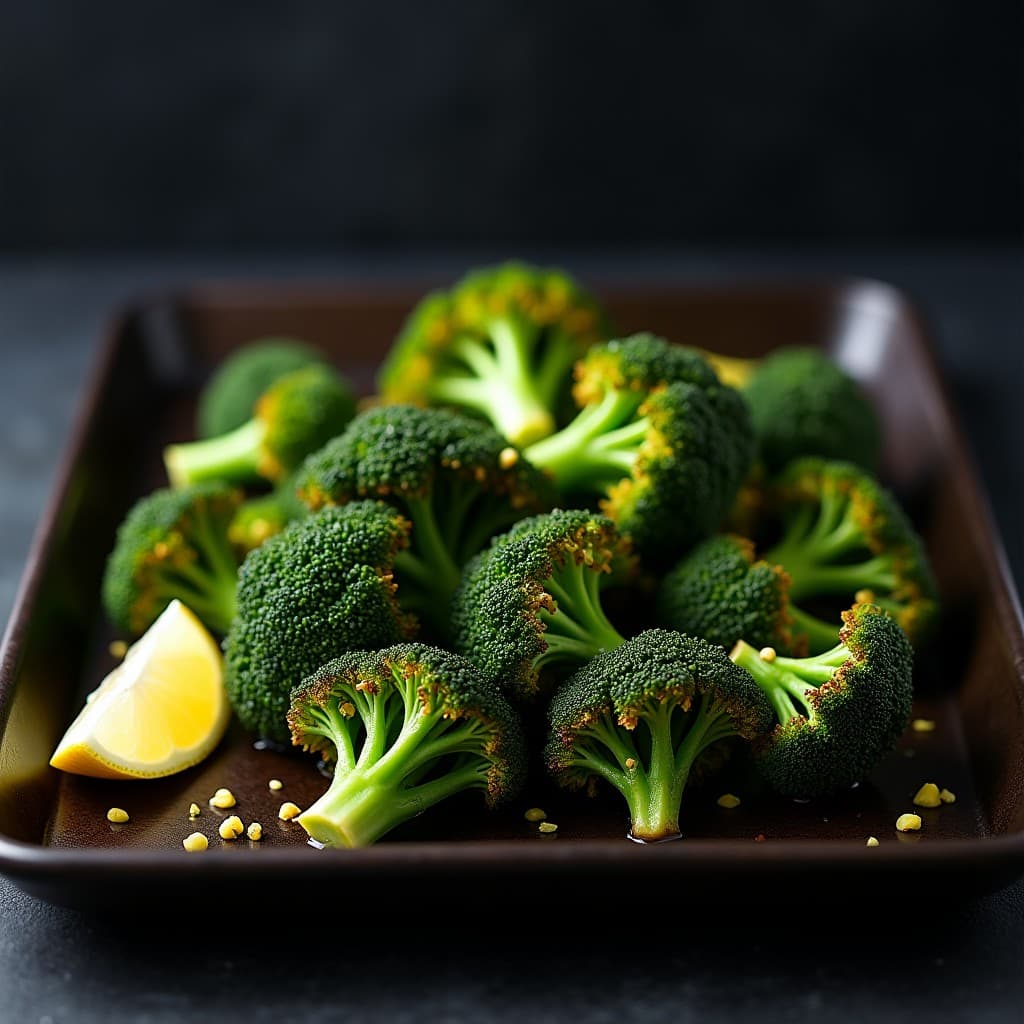
    6 oz grilled chicken, 1 cup quinoa, roasted broccoli
    555 kcal65g protein
  5. 16:30
    Pre-train
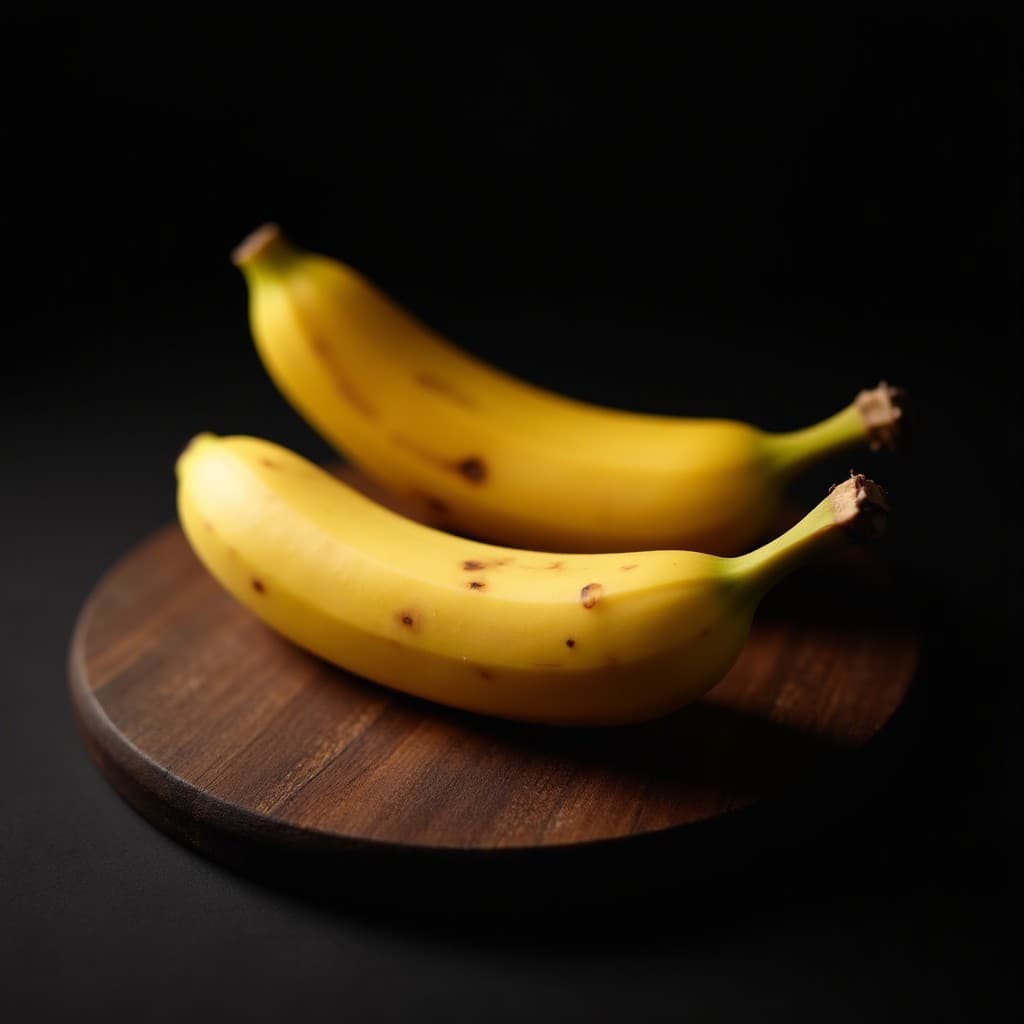
    Black coffee and a banana
    105 kcal1g protein
  6. 19:30
    Dinner
    6 oz wild salmon, baked sweet potato, roasted asparagus
    495 kcal46g protein
  7. 21:30
    Pre-bed
    1 cup cottage cheese
    180 kcal24g protein

Prioritize

  • Lean proteins at every meal — chicken, fish, lean beef, Greek yogurt, eggs, cottage cheese
  • Vegetables in volume — they keep you full for almost no calorie cost
  • Whole-food carbs around training — rice, potatoes, oats, fruit
  • Water — half your bodyweight in ounces, daily, non-negotiable
  • Fiber — 30+ grams a day from real food, not powders

Limit

  • Liquid calories — soda, juice, fancy coffees, alcohol
  • Ultra-processed snack foods that disappear without filling you up
  • Dressings and oils used without measuring — they hide hundreds of calories
  • Late-night grazing after dinner is over

Common mistakes

  • Cutting carbs and protein at the same time — the muscle goes first
  • Trying to crash the deficit. Aggressive cuts cost you strength and rebound hard
  • Skipping breakfast then overeating at night
  • Weighing yourself daily and reacting to noise

Recomposition is the slow, honest project of changing what your body is made of — not what it weighs. The scale will move, but it's not the metric that matters. Bodyfat, strength in the gym, and how your clothes fit are the metrics that matter.

We program a modest deficit because the body holds onto muscle when you feed it well and train it hard. Crash diets give you a smaller, weaker version of the same person. That's not the goal.

Hit your protein every day. Train heavy at least three days a week. Walk daily. Sleep seven hours. Do that for twelve weeks and the body that shows up at the end is not the same body that started.

Supplements worth considering

  • Whey isolate around training when whole-food protein is hard to hit
  • Creatine monohydrate, 5 g daily — the one supplement with real evidence
  • Vitamin D if you don't get sun, especially in winter
02

Build Strength

Get demonstrably stronger. Build muscle. Add weight to the bar.

Lean surplus, heavy training, protein non-negotiable.
~2,900 kcal180 LB
  • Protein30%
  • Carbs48%
  • Fat22%
Protein target
1.0 g / lb of bodyweight
Energy intake
A small surplus — 200–400 calories above maintenance. Enough fuel to recover, not so much you balloon.
Macro range
Protein 30%Carbs 45–50%Fat 20–25%

A day on this protocol

Daily 2,960 kcalProtein 196 g
  1. 7:00
    Wake
    Black coffee, 20 oz water
    5 kcal0g protein
  2. 7:30
    Breakfast
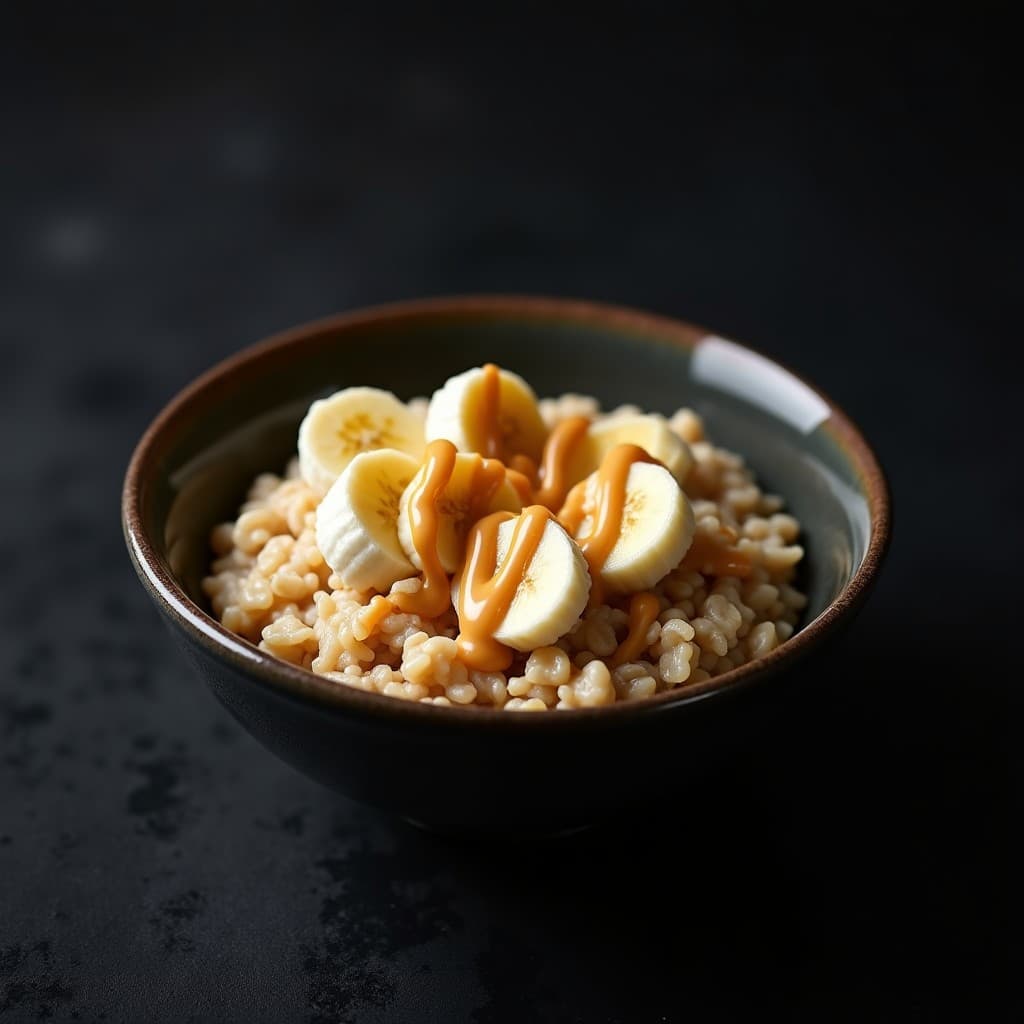
    Steel-cut oats with almond butter, three whole eggs, a cup of berries
    685 kcal28g protein
  3. 10:00
    Mid-morning
    Whey shake with a banana
    225 kcal26g protein
  4. 13:00
    Lunch
    6 oz lean beef, 1.5 cups jasmine rice, charred Brussels sprouts
    720 kcal52g protein
  5. 16:00
    Pre-train
    Two slices sourdough with honey, half scoop whey
    320 kcal14g protein
  6. 19:00
    Dinner
    8 oz wild salmon, large baked sweet potato, spinach with olive oil
    720 kcal50g protein
  7. 21:30
    Pre-bed
    Cottage cheese with walnuts
    285 kcal26g protein

Prioritize

  • Pre- and post-training carbs — rice, potatoes, oats, fruit. Carbs fuel heavy lifts
  • Animal proteins — they recover muscle faster than plant blends in our experience
  • Whole milk, full-fat Greek yogurt, eggs — calorie-dense, easy to overeat the right way
  • Creatine monohydrate — 5g daily, the only supplement worth the money for most lifters
  • Sleep — eight hours minimum. Muscle is built in bed, not in the gym

Limit

  • Junk surplus — pizza and ice cream every night will give you fat, not strength
  • Excessive cardio that eats into recovery
  • Alcohol on training days — it kills protein synthesis for 24 hours

Common mistakes

  • Eating like a teenager and calling it bulking — that's how knees and joints suffer
  • Skipping the surplus entirely. You cannot build muscle from maintenance forever
  • Adding more training instead of more food when progress stalls
  • Forgetting that strength is a long arc — you don't gain 30 pounds in a month, you gain 10 pounds in a year and keep it

Strength is the body adapting to load it's been given over time. The food is the raw material. Without the food, the training is just damage you don't recover from.

We program a lean surplus because the goal is muscle, not fat. The lifters who add the most strength over a year are not the ones who ate the most — they're the ones who ate enough, slept enough, and trained hard for fifty-two weeks straight.

Hit protein every day. Eat the carbs around your hard sessions. Sleep. Add a little weight to the bar every week. That's the whole programme.

Supplements worth considering

  • Creatine monohydrate, 5 g daily — non-negotiable for serious strength work
  • Whey isolate around hard sessions
  • A simple multivitamin if produce intake is inconsistent
03

Sustain

Hold the body you've built. Stay strong, lean, and capable indefinitely.

Maintenance calories, protein floor, training that doesn't drift.

~2,400 kcal180 LB
  • Protein30%
  • Carbs40%
  • Fat30%
Protein target
0.8 – 0.9 g / lb of bodyweight
Energy intake
Maintenance — the calorie number where your weight, training, and energy hold steady. Find it, eat it, stop tinkering.
Macro range
Protein 30%Carbs 40%Fat 30%

A day on this protocol

Daily 2,130 kcalProtein 187 g
  1. 7:00
    Wake
    Black coffee, 16 oz water
    5 kcal0g protein
  2. 7:30
    Breakfast
    Three eggs, slice of whole-grain toast, spinach, half an avocado
    510 kcal24g protein
  3. 12:30
    Lunch
    6 oz grilled chicken, 1 cup rice, roasted broccoli, drizzle of olive oil
    615 kcal56g protein
  4. 15:30
    Snack
    Greek yogurt with a handful of almonds
    295 kcal29g protein
  5. 18:30
    Dinner
    6 oz lean beef, baked sweet potato, charred Brussels sprouts
    525 kcal54g protein
  6. 21:00
    Optional
    1 cup cottage cheese (if hungry)
    180 kcal24g protein

Prioritize

  • Consistency over novelty — eat the same handful of meals you trust, most days
  • Protein at every meal, every day, even on rest days
  • Vegetables and fruit daily — your gut and your aging joints will both thank you
  • Olive oil, avocados, nuts — healthy fats that keep hormones steady
  • Coffee, water, sparkling water — drinks that hydrate without adding sugar

Limit

  • Drift — the slow upward creep of portions, snacks, alcohol
  • Drastic dieting and rebound — the cycle of cut-and-binge is what builds fat over a lifetime
  • Eating differently on weekends than you do on weekdays — that's where most adults go off course

Common mistakes

  • Assuming maintenance is forever — it shifts a little every decade. Recheck it
  • Letting protein slip below 0.7 g/lb. Sarcopenia starts where the protein floor cracks
  • Skipping meals on busy days then eating mindlessly at night

Most adults reach a body they're proud of and then lose it slowly over the next ten years — not through any single mistake, but through drift. A drink here, an extra dessert there, training three times a week becomes twice, becomes once.

Sustain is the discipline of holding what you've earned. The protocol is boring: eat about the same calories every day, hit protein every day, train two-to-four times a week, and don't make exceptions on weekends. Boring works.

We recheck maintenance calories every twelve months. The body changes a little every year, and the food has to keep up.

Supplements worth considering

  • Vitamin D — most adults are low, especially in winter
  • Creatine if you're still training hard (you should be)
  • Magnesium glycinate at night if sleep is rough
04

Return to Form

Rebuild after injury, surgery, illness, or a year off.

Slight surplus, very high protein, conservative training.
~2,600 kcal180 LB
  • Protein35%
  • Carbs40%
  • Fat25%
Protein target
1.0 – 1.1 g / lb of bodyweight
Energy intake
A modest surplus — 200–300 above maintenance — when training resumes. The body needs raw material to rebuild tissue.
Macro range
Protein 35%Carbs 40%Fat 25%

A day on this protocol

Daily 2,865 kcalProtein 229 g
  1. 7:00
    Wake
    Coffee, water, bone broth (8 oz)
    50 kcal8g protein
  2. 8:00
    Breakfast
    Steel-cut oats with almond butter, four whole eggs, cup of berries
    745 kcal32g protein
  3. 11:00
    Mid-morning
    Greek yogurt, walnut halves, drizzle of honey
    365 kcal27g protein
  4. 13:30
    Lunch
    8 oz wild salmon, 1 cup quinoa, roasted asparagus with olive oil
    745 kcal56g protein
  5. 16:30
    Snack
    Whey shake with a banana
    225 kcal26g protein
  6. 19:30
    Dinner
    6 oz lean beef, baked sweet potato, broccoli, bone broth
    555 kcal56g protein
  7. 21:30
    Pre-bed
    Cottage cheese
    180 kcal24g protein

Prioritize

  • Protein on the high end — your body is rebuilding tissue, not just maintaining it
  • Collagen / bone broth daily — useful for connective tissue recovery
  • Vitamin D and omega-3s — quietly important for tendons and inflammation
  • Sleep on the high end — nine hours when you can get them
  • Whole-food carbs that don't spike-and-crash your energy

Limit

  • Alcohol — it slows tissue repair and disrupts sleep architecture
  • Inflammatory ultra-processed foods that make recovery harder than it has to be
  • Aggressive cardio that competes with the body's repair budget

Common mistakes

  • Dieting through a rebuild — your body needs surplus, not deficit, to repair tissue
  • Returning to old training volumes too fast. The food can keep up; the joints cannot
  • Treating return-to-form as a sprint. The body that lasts is the one that came back patiently

Return to Form is the most patient project we coach. The body is asking for raw material — protein, sleep, real food — and the temptation is always to add training volume too fast.

We coordinate with your physical therapist where applicable. The nutrition side is straightforward: eat slightly above maintenance, protein on the high end, and stay there until the training is humming again. Then we recalibrate.

The lifters who come back stronger than they were before are not the ones who trained the hardest in the first six weeks. They're the ones who ate, slept, and recovered like it was the work.

Supplements worth considering

  • Collagen peptides, 15 g daily — connective tissue support during rebuild
  • Vitamin D and omega-3 — quiet but real anti-inflammatory work
  • Creatine monohydrate — speeds muscle recovery
05

The Long Arc

Stay strong, mobile, and capable at sixty, seventy, eighty.

Protein floor that doesn't drop, real food, bone-loading training.
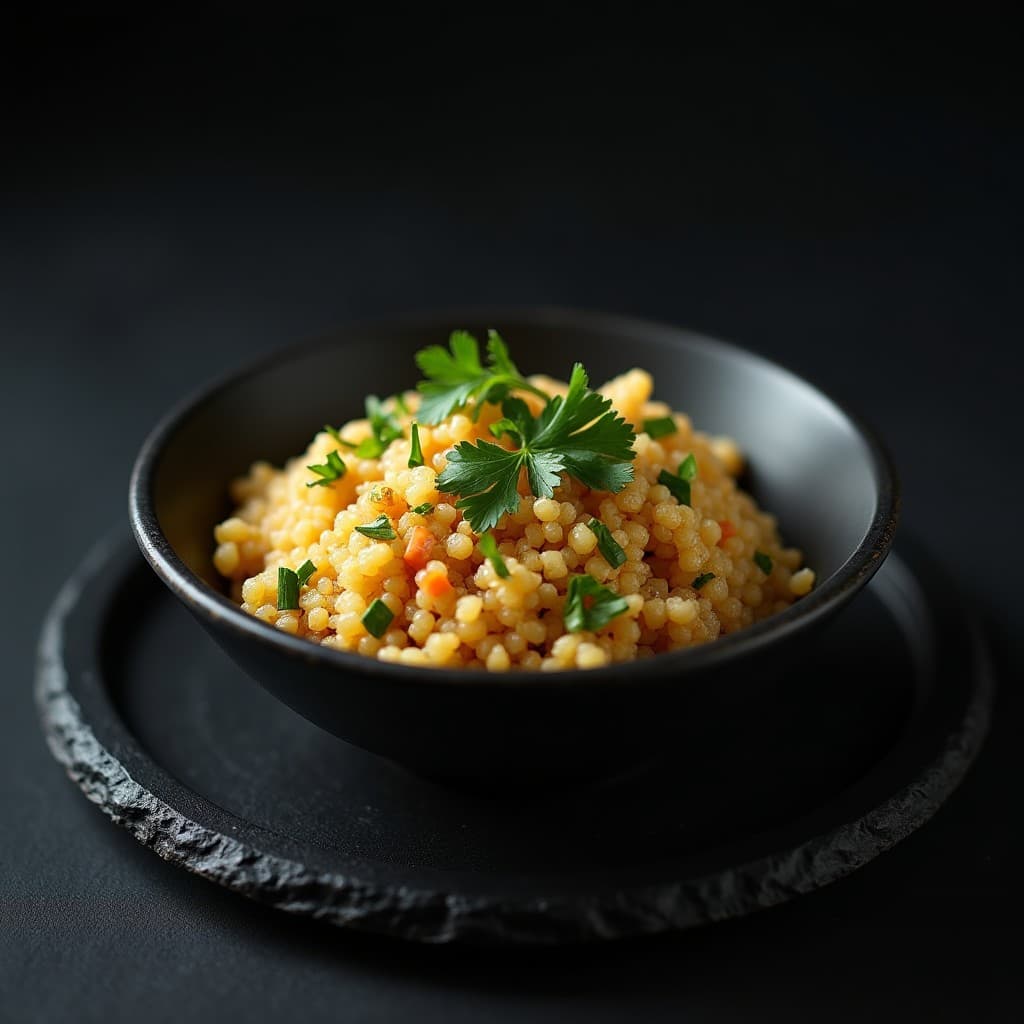
~2,200 kcal180 LB
  • Protein33%
  • Carbs37%
  • Fat30%
Protein target
0.9 – 1.0 g / lb of bodyweight
Energy intake
Maintenance — slowly recalibrated every five years as activity and body composition shift.
Macro range
Protein 30–35%Carbs 35–40%Fat 25–30%

A day on this protocol

Daily 2,190 kcalProtein 180 g
  1. 7:00
    Wake
    Coffee, water, vitamin D capsule
    5 kcal0g protein
  2. 7:30
    Breakfast
    Three eggs, sautéed spinach, half an avocado, cup of berries
    480 kcal22g protein
  3. 10:30
    Snack
    Greek yogurt with walnuts
    315 kcal27g protein
  4. 13:00
    Lunch
    6 oz wild salmon, baked sweet potato, roasted asparagus
    495 kcal46g protein
  5. 15:30
    Snack
    Cottage cheese with berries
    250 kcal25g protein
  6. 18:00
    Dinner
    6 oz chicken, 1 cup quinoa, charred Brussels sprouts, olive oil
    645 kcal60g protein

Prioritize

  • Protein at every meal — adults over fifty need more, not less, to hold muscle
  • Calcium and Vitamin D — bone density is downstream of both
  • Fatty fish twice a week — heart, joints, brain
  • Fiber from vegetables, legumes, whole grains — gut and cardiovascular health
  • Hydration — older adults often under-drink without noticing

Limit

  • Ultra-processed foods that drive inflammation
  • Sodium creeping above 2,300 mg / day if blood pressure is a concern
  • Alcohol — the bar for what's healthy keeps dropping as we age
  • Sitting all day — not a food, but it changes how every calorie behaves

Common mistakes

  • Eating less protein as you age. The opposite is what the body actually needs
  • Dropping all carbs in pursuit of leanness — fuel matters for the training that maintains bone
  • Trusting the scale alone. Body composition matters more than weight after fifty
  • Skipping resistance training because it 'feels too hard'. It's the single most important thing you can do for the next thirty years

After fifty, the body becomes less efficient at building muscle from the same amount of protein. That's not opinion — it's well-documented physiology. The answer is to eat more protein, not less, and to keep loading the muscles with real weight.

We program strength training as the centerpiece, with nutrition built to support it. The clients training with us at seventy are not training to look a certain way — they're training to be the seventy-year-old who can pick up their grandkids without thinking about it.

The food does not need to be exotic. Eggs, fish, chicken, beef, dairy, vegetables, whole grains, fruit. Repeat. Do it for thirty years.

Supplements worth considering

  • Vitamin D, 2,000 IU daily — bone density and immune support
  • Omega-3 fish oil, 2 g daily — joint and cardiovascular health
  • Creatine monohydrate — still the most useful supplement for adults over fifty
  • Calcium from food first; supplement only if bloodwork says so
06

The Daily Floor

The non-negotiables, every day, regardless of goal.

Eight things that put you ahead of 90% of adults.

Maintenance — whatever yours is
  • Protein30%
  • Carbs40%
  • Fat30%
Protein target
0.7 g / lb minimum, every single day
Energy intake
Whatever your goal — these eight habits hold underneath. Cut them and nothing above works.
Macro range
Protein Hit the floorCarbs Mostly whole-foodFat Mostly unprocessed

A day on this protocol

Daily 1,950 kcalProtein 142 g
  1. 7:30
    Breakfast
    Protein + one piece of fruit. Eggs, oats, yogurt — pick one and rotate.
    450 kcal25g protein
  2. 12:30
    Lunch
    Protein + smart carb + two cups of vegetables. Always.
    600 kcal45g protein
  3. 16:00
    Snack
    Protein + healthy fat. Greek yogurt with almonds. Jerky and an apple. Cottage cheese.
    250 kcal22g protein
  4. 19:00
    Dinner
    Protein + smart carb + two cups of vegetables. Same template, different proteins.
    650 kcal50g protein

Prioritize

  • Protein at every meal, no exceptions, no excuses
  • A glass of water before every meal, and before coffee
  • Vegetables or fruit at two meals minimum, every day
  • Seven hours of sleep — phones out of the bedroom
  • Ten thousand steps a day, or the closest you can manage
  • Sunlight on your face within an hour of waking
  • Two cups of coffee max, last one before noon
  • One meal a day that's just whole foods — no labels, no packaging

Limit

  • Skipping breakfast then eating mindlessly at night
  • Phones at the dinner table
  • Eating standing up over the kitchen counter
  • Liquid calories disguised as 'healthy' — smoothies, kombucha, oat-milk lattes

Common mistakes

  • Chasing the perfect programme while ignoring the daily floor
  • Thinking supplements will compensate for missing fundamentals
  • Going hard for four days, then bailing for ten

Most of what changes a body is not exotic. It's the eight or nine habits you do every day, for ten years, without thinking about them. We call this the floor — what you stand on regardless of what programme is on top.

Adults who hit the floor have a baseline of health that no fad diet, no supplement stack, no expensive trainer can match. The floor is unsexy. It's also undefeated.

If a client tells me they want to lose fat or build strength or feel better, the first thing we audit is the floor. Almost always, the gap is here — not in their training, not in some optimization at the edges.

Supplements worth considering

  • Vitamin D — almost certainly worth taking
  • A simple multivitamin as insurance, not as strategy
  • Don't chase the supplement aisle. The floor is the food, the sleep, the steps.
Atlas

The Food Atlas.

The foods that show up over and over in every guide above. Real foods, real portions, real macros — the building blocks of every protocol Andre programmes.

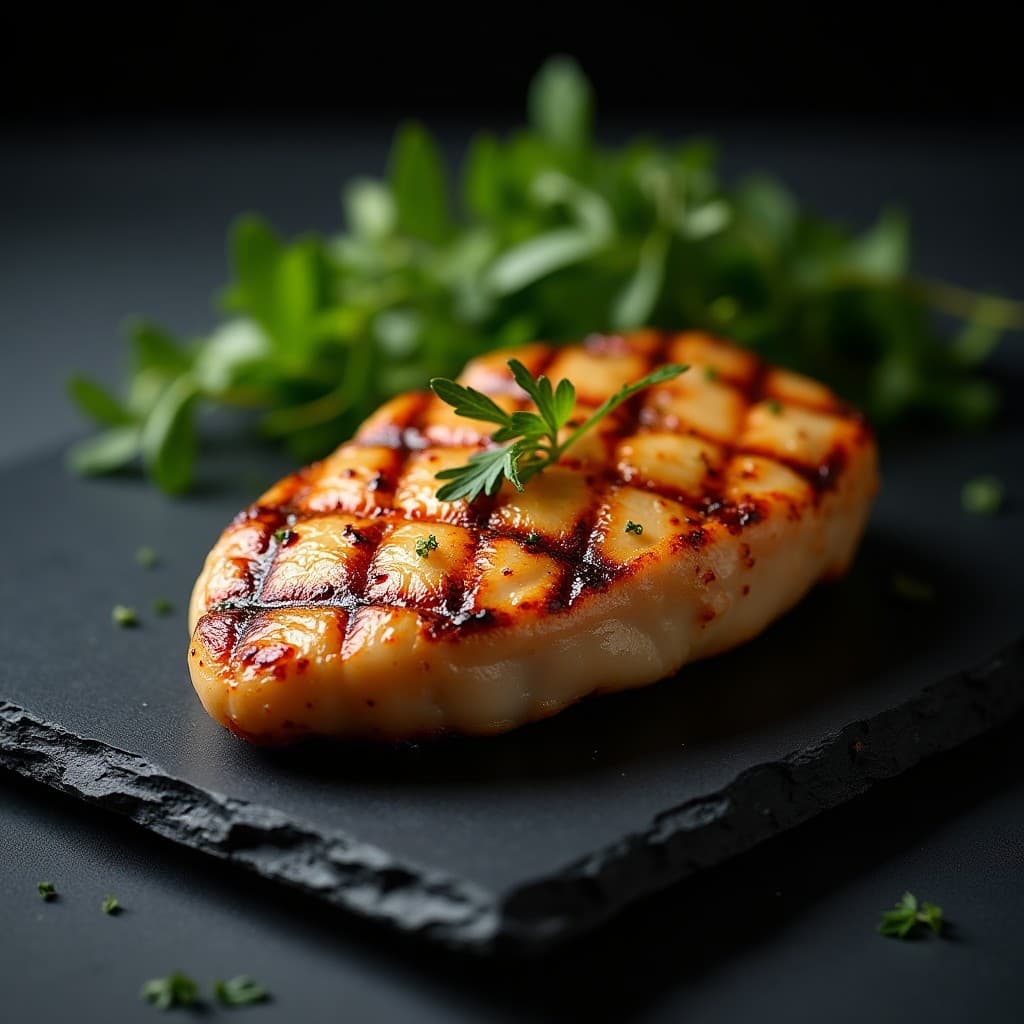
Chicken BreastProteins

Chicken Breast

6 oz cooked
280 kcalP 53gC 0gF 6g

The bedrock protein. Plain, grilled, bulk-prepared on Sundays.

Wild SalmonProteins

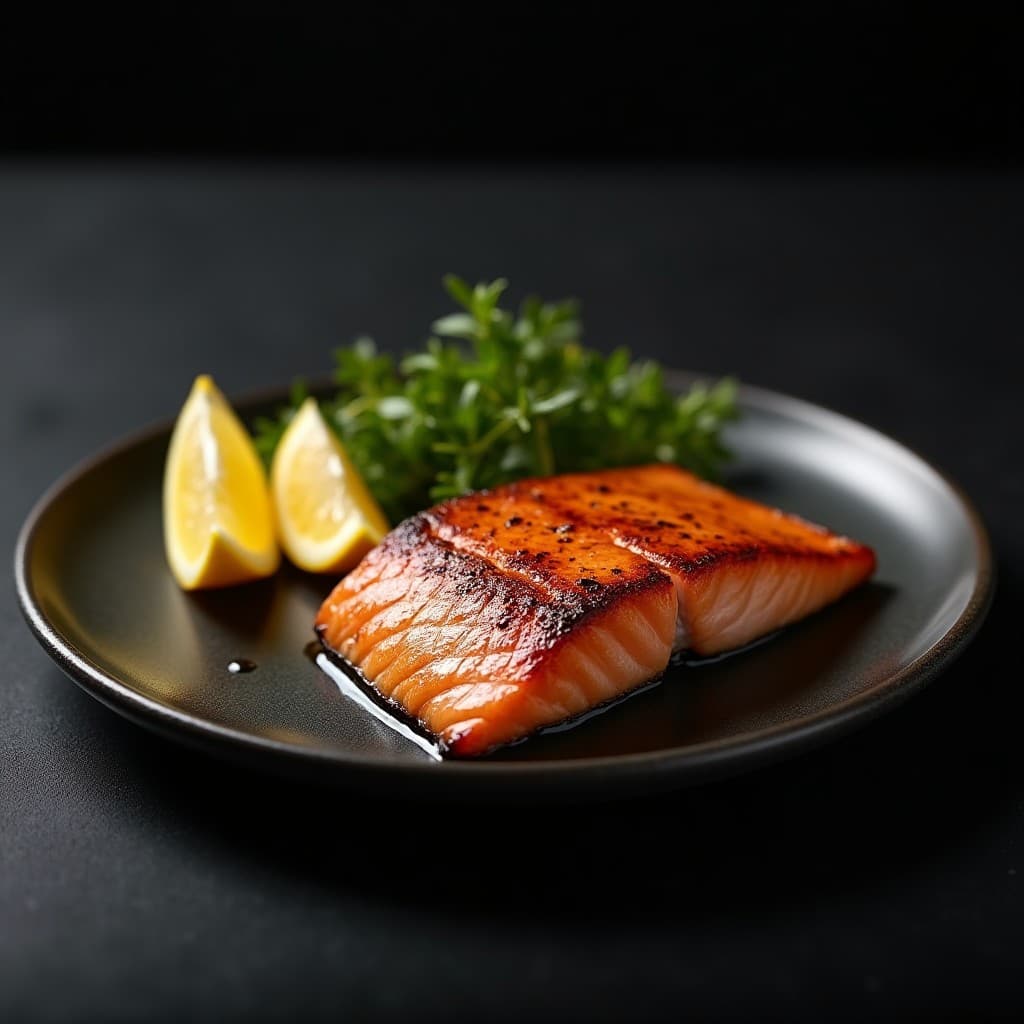
Wild Salmon

6 oz cooked
350 kcalP 40gC 0gF 20g

Protein and omega-3s in the same bite. Twice a week, minimum.

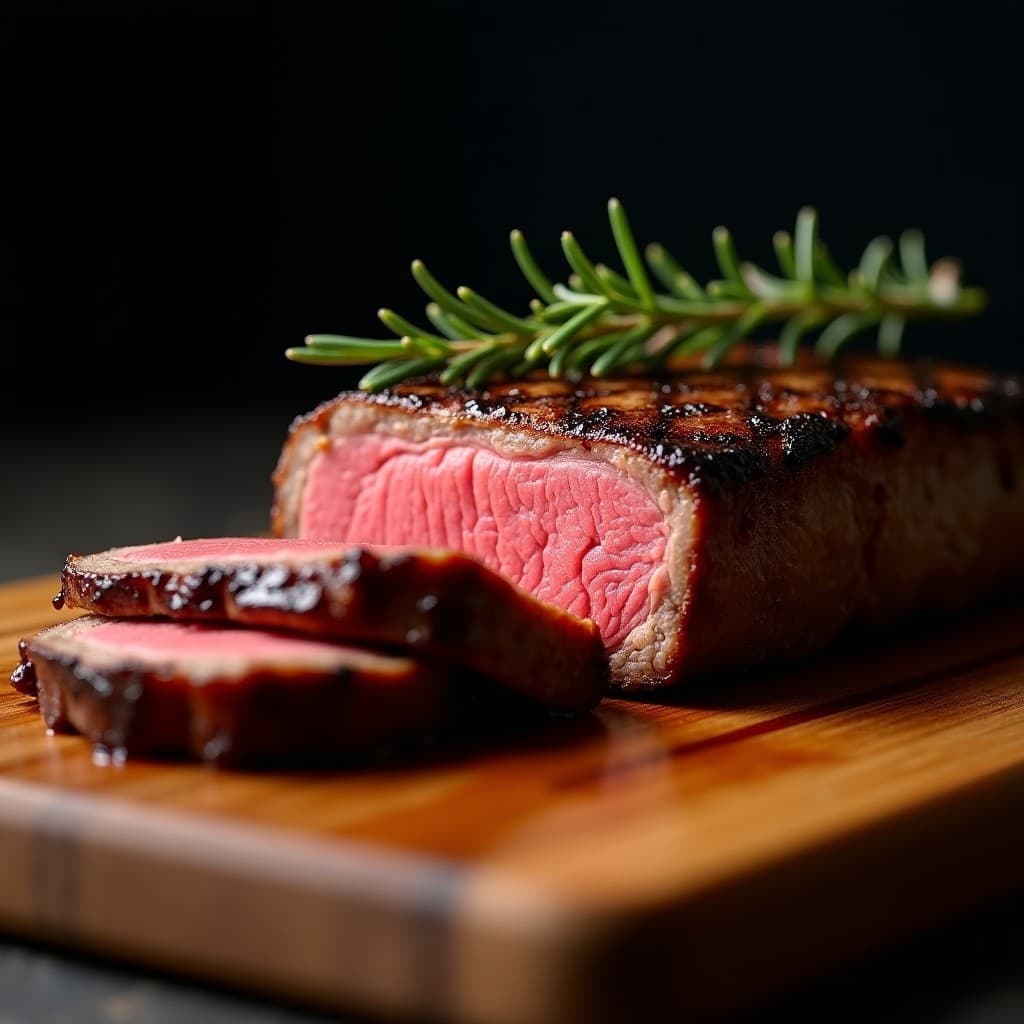
Lean BeefProteins

Lean Beef

6 oz cooked
360 kcalP 48gC 0gF 18g

Iron, creatine, B12. Pick 90/10 ground or sirloin most of the time.

EggsProteins

Eggs

3 whole
210 kcalP 18gC 1gF 15g

The most nutrient-dense breakfast on earth. Stop fearing the yolks.

Greek YogurtProteins

Greek Yogurt

1 cup plain non-fat
130 kcalP 23gC 9gF 0g

High protein, low calorie, gut-friendly. Skip the flavored versions.

Cottage CheeseProteins

Cottage Cheese

1 cup low-fat
180 kcalP 24gC 8gF 5g

Slow-digesting casein. The right snack thirty minutes before bed.

Canned TunaProteins

Canned Tuna

1 can in water (5 oz)
110 kcalP 25gC 0gF 1g

The travel protein. Keep three cans in your bag for the bad days.

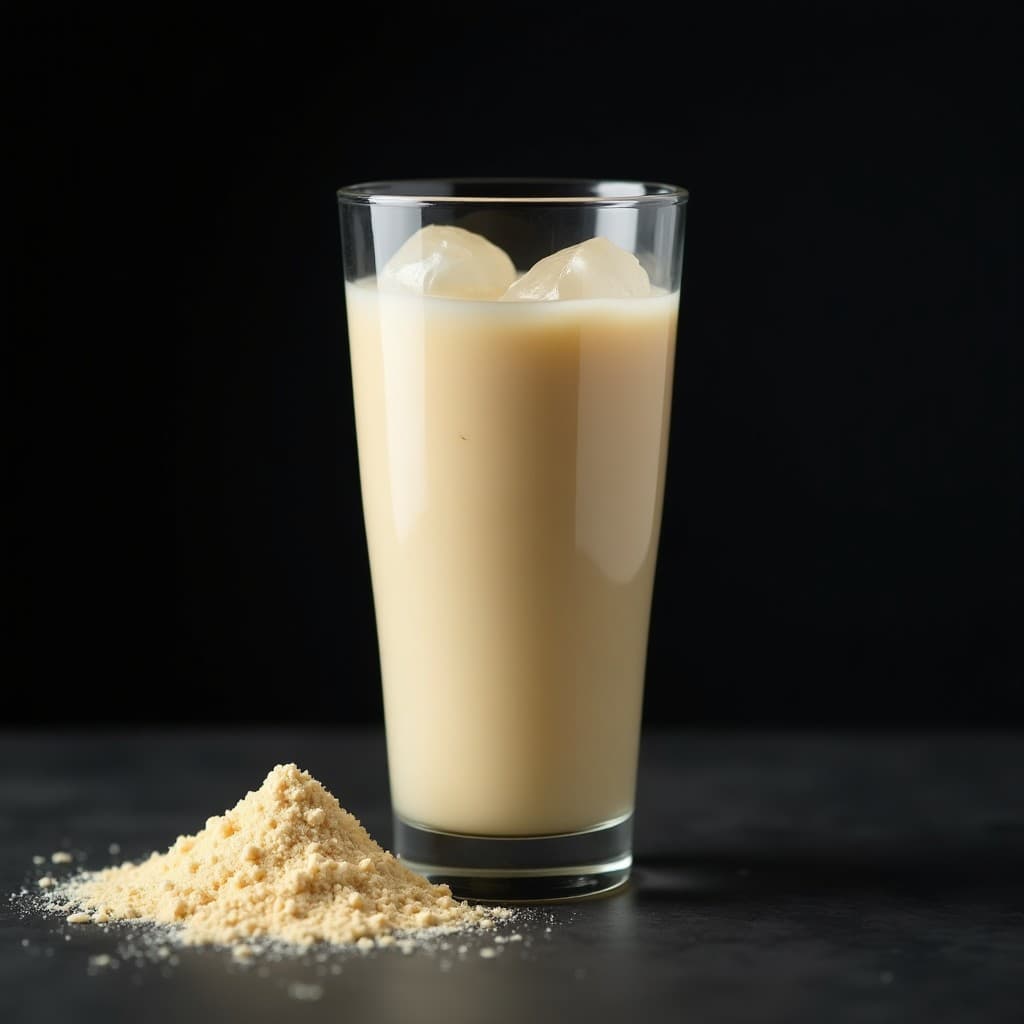
Whey IsolateProteins

Whey Isolate

1 scoop (30g)
120 kcalP 25gC 2gF 1g

Useful around training. Not a replacement for food the other twenty-three hours.

Jasmine RiceSmart Carbs

Jasmine Rice

1 cup cooked
205 kcalP 4gC 45gF 0g

Clean fuel for hard training. Easy on digestion, easy to dose.

Sweet PotatoSmart Carbs

Sweet Potato

1 medium baked
105 kcalP 2gC 24gF 0g

Steady carbs, micronutrients, fiber. The default dinner starch.

Steel-Cut OatsSmart Carbs

Steel-Cut Oats

1/2 cup dry
150 kcalP 5gC 27gF 3g

Slow-burn carbs and fiber. The breakfast that holds you to lunch.

Mixed BerriesSmart Carbs

Mixed Berries

1 cup
70 kcalP 1gC 17gF 0g

Antioxidants and fiber for almost no calorie cost. Daily.

BananaSmart Carbs

Banana

1 medium
105 kcalP 1gC 27gF 0g

Pre-training fuel and potassium. The original sports drink.

QuinoaSmart Carbs

Quinoa

1 cup cooked
220 kcalP 8gC 39gF 4g

Complete protein and complex carbs in one. Rotation food.

BroccoliVegetables

Broccoli

1 cup cooked
55 kcalP 4gC 11gF 1g

Volume eating for almost no cost. Twice a day, minimum.

SpinachVegetables

Spinach

2 cups raw
15 kcalP 2gC 2gF 0g

Iron, magnesium, nitrates. Pile it under everything.

Bell PeppersVegetables

Bell Peppers

1 large
45 kcalP 2gC 9gF 0g

Vitamin C and color. Eat the red ones — they have the most.

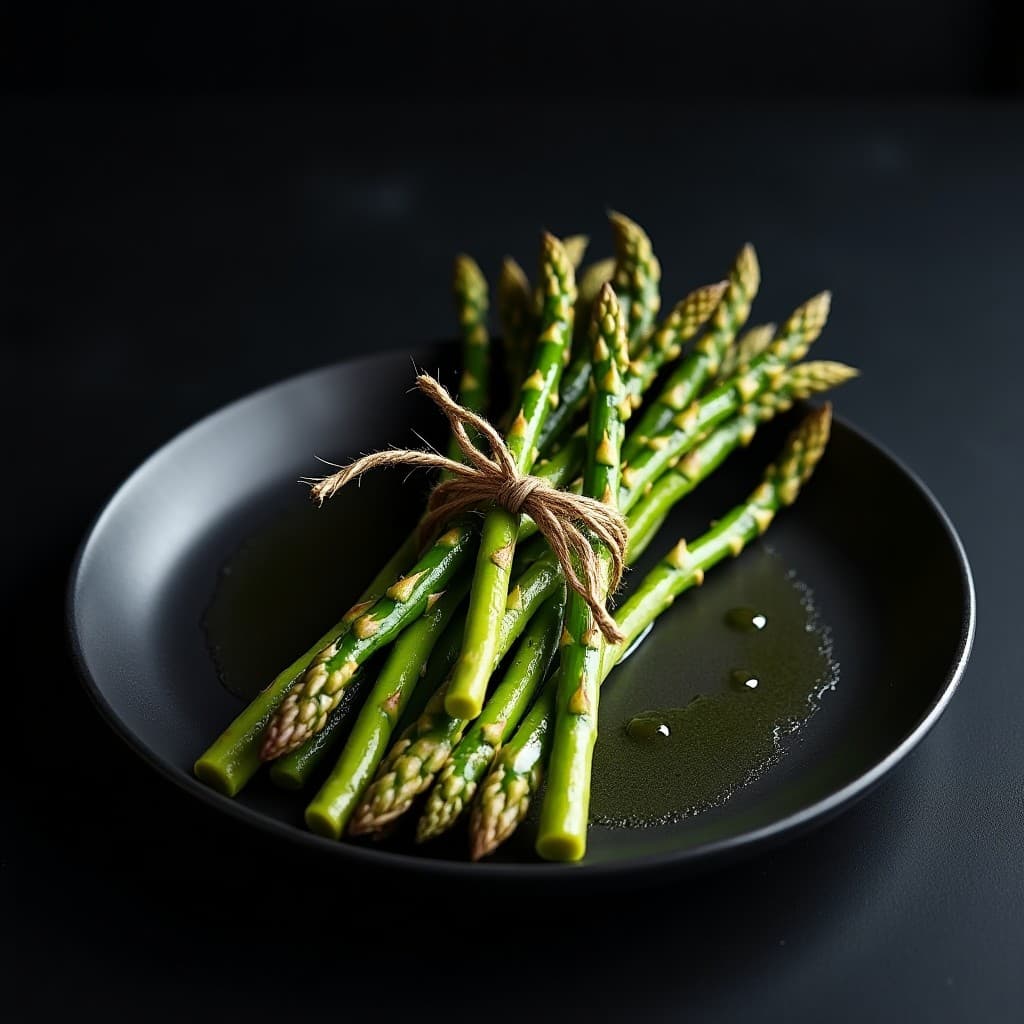
AsparagusVegetables

Asparagus

1 cup cooked
40 kcalP 4gC 7gF 0g

Roasted with olive oil. Side dish you actually look forward to.

Brussels SproutsVegetables

Brussels Sprouts

1 cup roasted
60 kcalP 4gC 12gF 1g

Halve them, char them hard in a cast iron pan. Trust me.

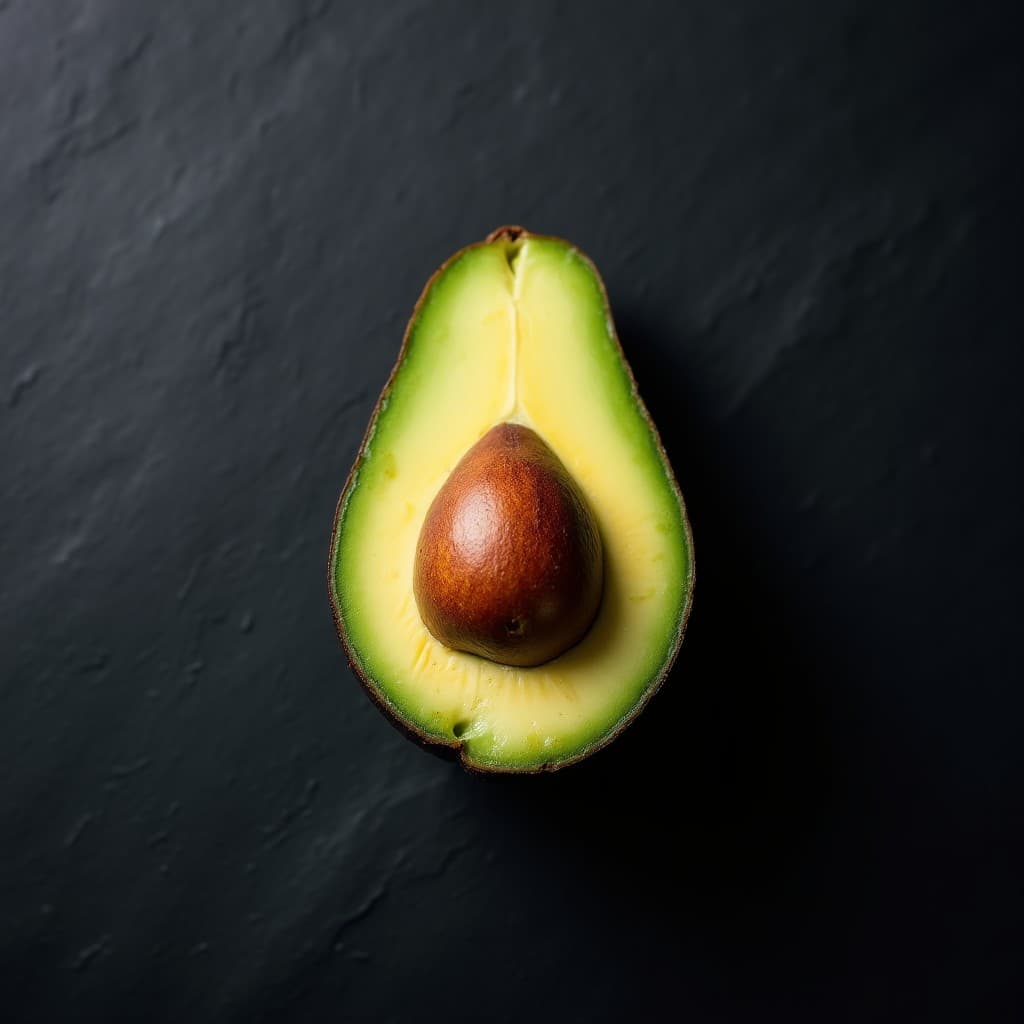
AvocadoHealthy Fats

Avocado

1/2 medium
160 kcalP 2gC 9gF 15g

Monounsaturated fat and fiber. Easy to overeat — half is a serving.

Extra-Virgin Olive OilHealthy Fats

Extra-Virgin Olive Oil

1 tbsp
120 kcalP 0gC 0gF 14g

Cook in it. Drizzle over it. The healthiest fat on the planet.

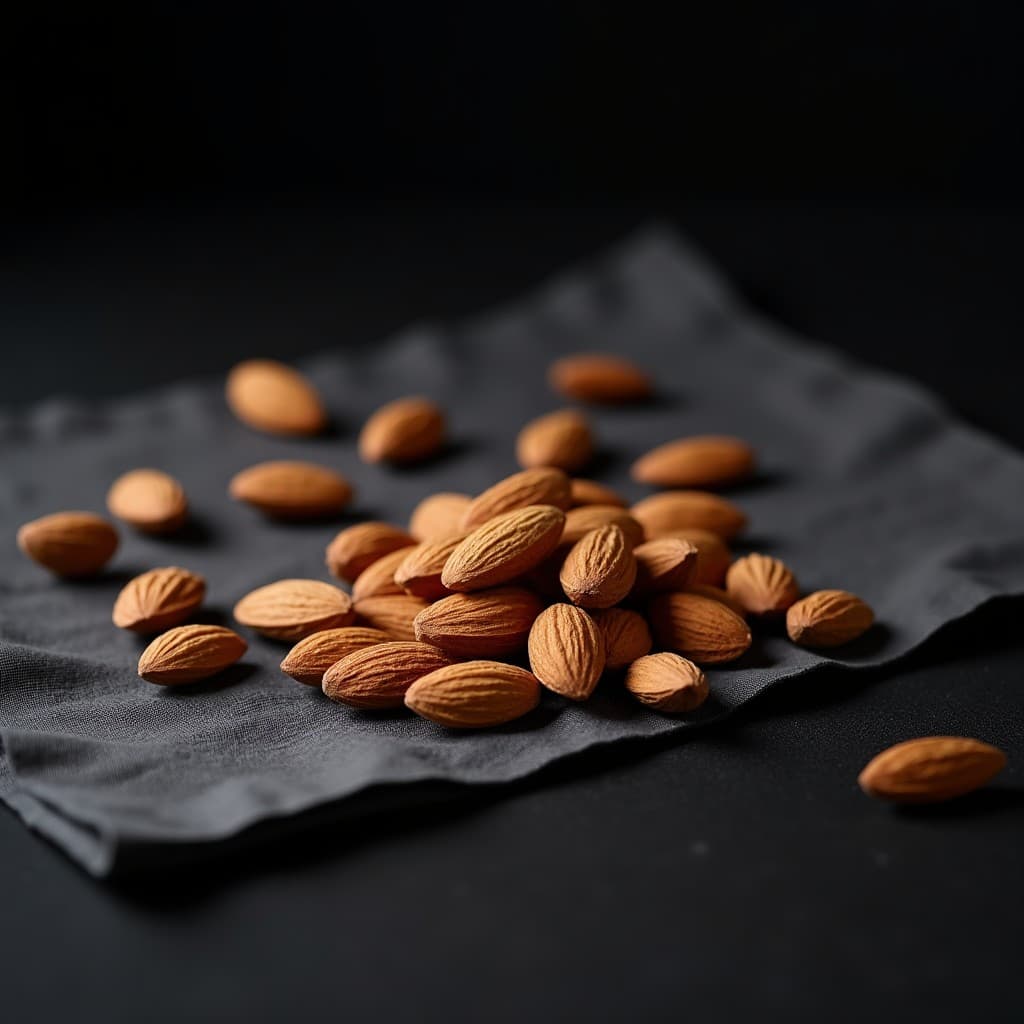
AlmondsHealthy Fats

Almonds

1 oz (23 nuts)
165 kcalP 6gC 6gF 14g

Snack that doesn't disappear without filling you up. Pre-portion them.

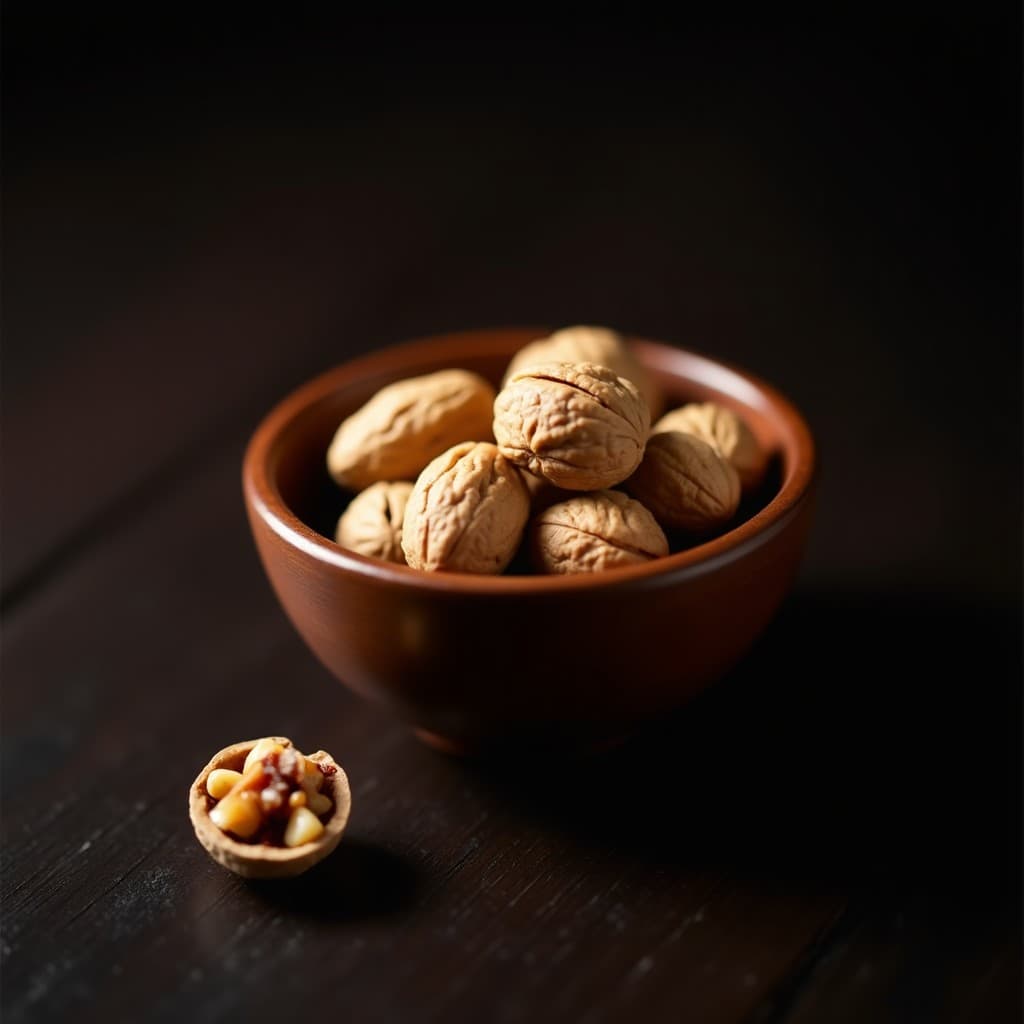
WalnutsHealthy Fats

Walnuts

1 oz (14 halves)
185 kcalP 4gC 4gF 18g

Plant-based omega-3s. The only nut with significant ALA content.

A note on what this is.

These guides are the starting points we use with clients. They are not medical advice and they are not a personalized plan. Every adult who works with Andre gets a nutrition framework built for their body, their goals, their bloodwork, and their life — not a generic template.

If you want yours, the onboarding is twenty minutes. Andre will be in touch within a day.